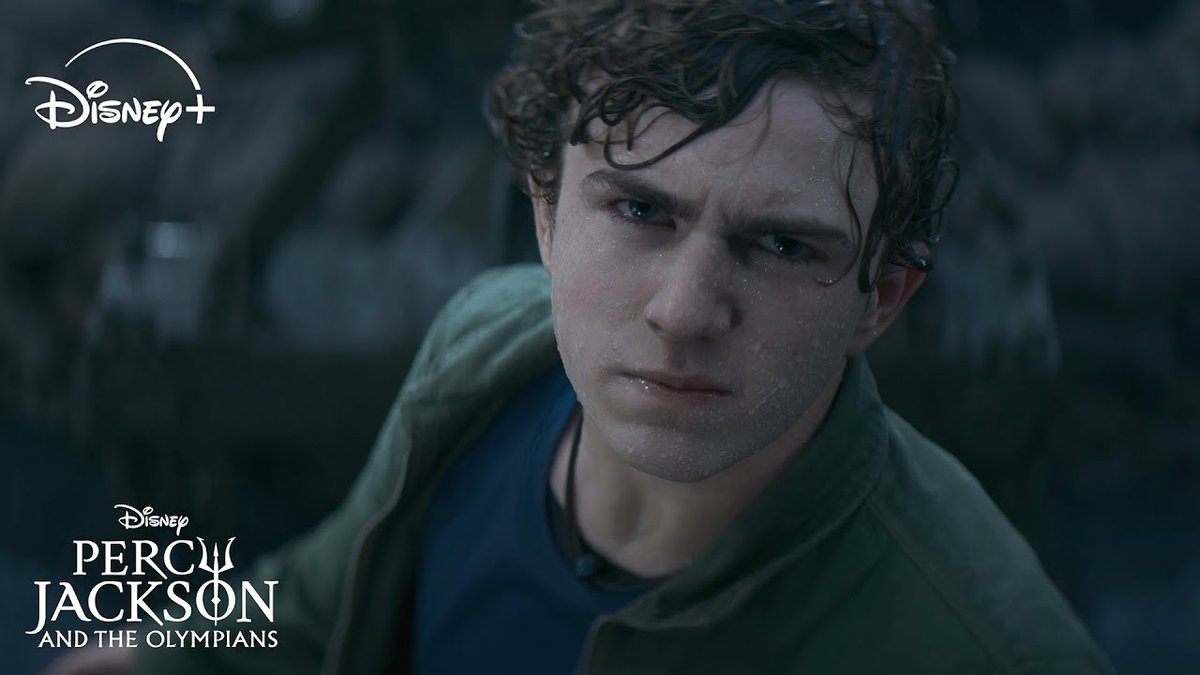
The anticipation for "Percy Jackson and the Olympians" Season 2 is palpable, and fans are already buzzing with Percy Jackson Season 2 Plot Predictions & Book Adaptation theories. With the first season successfully bringing Rick Riordan's beloved world to life, the pressure is on for the next installment to capture the magic of "The Sea of Monsters." But as with any book-to-screen journey, expect some thoughtful departures from the source material, many of which appear designed to enhance the narrative, tighten the pacing, and deepen character arcs.
From initial insights and behind-the-scenes whispers, it’s clear the showrunners aren't just copy-pasting the book. They're carefully crafting an eight-episode arc, making deliberate adjustments that, at first glance, might surprise long-time readers, but ultimately promise a more cohesive and impactful viewing experience. The early indications suggest these plot changes aren't just acceptable; they could be vital improvements for the adaptation.
At a Glance: Season 2's Strategic Shifts
- Core Adaptation: Season 2 directly adapts Rick Riordan's second book, "The Sea of Monsters."
- Central Conflict: Camp Half-Blood's magical borders are failing, and Grover is in dire straits.
- Key Plot Change: Tyson, Percy's cyclops half-brother, is introduced with Percy and Sally already aware of his true nature, unlike the book where it's a surprise.
- Why the Change? This adjustment clarifies "The Mist," streamlines pacing, makes Poseidon's later claim more distinct, and immediately defines Tyson as an ally.
- Other Alterations: Expect earlier reveals of Luke's allegiances and increased focus on Kronos's growing influence.
- Overall Goal: To create a more consistent, faster-paced, and emotionally resonant narrative tailored for television, guided by Rick Riordan himself.
Setting Sail for "The Sea of Monsters": What's at Stake
Season 2 of "Percy Jackson and the Olympians" plunges our heroes into the perilous quest outlined in "The Sea of Monsters." The tranquil — or as tranquil as it gets for demigods — summer at Camp Half-Blood is shattered when Thalia's pine tree, the magical guardian of the camp's borders, is poisoned. Monsters begin to breach the defenses, threatening the very sanctuary of demigods.
Simultaneously, Percy receives disturbing empathic dreams from his best friend, Grover Underwood, who is trapped and in terrible danger. The only hope for Camp Half-Blood and Grover lies in the mythical Golden Fleece, hidden somewhere within the treacherous waters of the Sea of Monsters (known to mortals as the Bermuda Triangle). This sets the stage for a race against time, with Percy, Annabeth, and, significantly, a new companion embarking on a quest fraught with mythological beasts, ancient sorceresses, and personal revelations. This narrative core remains steadfast, but the path to it is where the series begins to diverge in intriguing ways.
The Art of Adaptation: Why Changes Are Often Necessary (and Good)
Bringing a beloved book series like "Percy Jackson" to the screen is a delicate dance. A word-for-word translation, while appealing to purists, often falls flat in a visual medium. Books have the luxury of internal monologue, lengthy descriptions, and character introspection that doesn't always translate efficiently or effectively to a screen. Television, especially with a limited episode count, demands sharper pacing, immediate visual impact, and a concise delivery of exposition.
When done right, strategic plot changes can clarify confusing elements, condense timelines, heighten drama, and even strengthen character motivations. It’s not about disrespecting the source but about honoring its spirit while making it shine in a new format. This isn't just about fitting into an eight-episode season; it's about making every minute count, ensuring the audience remains engaged, and building a narrative that feels both familiar and fresh. For more on how these discussions play out, you can often follow Percy Jackson's Book Accuracy Debates within the fandom itself.
Tyson's Big Entrance: A Masterclass in Adaptation
Perhaps the most significant and immediately apparent change confirmed for "Percy Jackson" Season 2 revolves around the introduction of Tyson, Percy's cyclops half-brother. This alteration fundamentally shifts a key early dynamic from the book, and for compelling reasons.
Book vs. Show: The Tyson Reveal
In "The Sea of Monsters" novel, Tyson is introduced as a seemingly mortal, homeless child whom Percy befriends at his new school. Percy, still relatively new to seeing through the Mist, perceives Tyson as a large, awkward boy. It's only after a monster attack where Tyson inexplicably survives, and Annabeth reveals the truth, that Percy discovers Tyson is a cyclops – and, even more shockingly, his half-brother, a son of Poseidon. This reveal is a significant character beat for Percy, grappling with a "monster" as family.
The show, however, takes a different approach. From the very first episode of Season 2, "I Play Dodgeball with Cannibals," Tyson is immediately revealed as a cyclops. Sally Jackson has taken him in, and both she and Percy are fully aware of his true nature from the outset. There’s no initial period of Percy being fooled by the Mist regarding Tyson's appearance.
Why the Show's Approach Wins: Four Key Improvements
This seemingly minor change is, in fact, a carefully considered improvement with several layered benefits for the show's narrative:
- Clarifying The Mist for a New Generation:
In the books, the rules of "The Mist" – the magical veil that hides mythical creatures and events from mortal perception – can sometimes feel a bit fluid. Percy's initial inability to see Tyson's true nature, despite being an experienced demigod, was one such moment that could create confusion. By establishing that Percy, having fully embraced his demigod heritage, now consistently sees through the Mist, the show provides a much clearer and more consistent understanding of this fundamental magical element for its audience. It also cleverly resolves an inconsistency from the book regarding Sally Jackson's knowledge; if she���s a clear-sighted mortal, why would she be fooled about Tyson? Now, she isn't. This consistent framing is crucial for understanding Understanding The Mist in Percy Jackson throughout the series. - Streamlining the Narrative: Pacing for an 8-Episode Arc:
Television seasons, especially those with fewer episodes, demand efficient storytelling. The book's reveal sequence, while impactful, consumes valuable screen time that can now be reallocated. By skipping the "Percy unknowingly befriends a cyclops" subplot, the show can jump straight into the main conflict. This accelerated pacing allows the narrative to reach Camp Half-Blood's border crisis and the subsequent quest for the Golden Fleece much faster, ensuring a taut, engaging viewing experience within the eight-episode format. Every moment counts, and this change ensures the story moves forward with purpose. - Elevating Poseidon's Claim: A Son's Revelation:
In the book, the revelation that Tyson is a cyclops and the revelation that he is Percy’s half-brother (a son of Poseidon) happen in quick succession. While impactful, it compresses two significant "wow" moments. By establishing Tyson's cyclops identity upfront, the show isolates the later reveal of Poseidon claiming Tyson as his son. This allows that specific moment to be a more distinct, powerful, and emotionally resonant turning point for Percy. It highlights Poseidon's character and his unique relationship with his children in a way that stands out, rather than being overshadowed by Tyson's basic identity reveal. It also sets up interesting dynamics regarding The Powers of the Olympian Gods and their unexpected offspring. - Redefining the "Monster" Ally: Tyson's Unique Role:
Introducing Tyson immediately as a known cyclops who desires to attend Camp Half-Blood fundamentally differentiates him from typical antagonistic monsters. This immediate positioning allows the audience to instantly understand his unique nature as an ally, fostering empathy and acceptance from the outset. It paves the way for a more nuanced exploration of what it means to be a "monster" in the demigod world, challenging Percy's (and the audience's) preconceived notions without the need for an elaborate unveiling. It immediately grounds Tyson as a unique character with his own aspirations and challenges within the demigod community.
Beyond Tyson: Other Noteworthy Alterations
While Tyson's introduction is the most significant confirmed change, the ground truth research hints at other alterations that will shape Season 2:
Luke's Earlier Unveiling: Building the Grand Narrative
The series appears to be accelerating the timeline for revealing Luke Castellan's true allegiance and his role in Kronos's resurgence. In the books, Luke's villainy unfolds gradually, with his full betrayal becoming clear later in "The Lightning Thief" and his ongoing machinations revealed throughout the subsequent books. By bringing elements of Luke's involvement, such as poisoning Thalia's tree, to the forefront earlier, the show can establish the overarching threat of Kronos and the growing civil war within the demigod world much sooner. This creates a stronger, continuous antagonist presence and allows for a more cohesive season-to-season narrative arc, moving beyond episodic monster-of-the-week structures to focus on the grander prophecy.
Kronos's Growing Influence: Foreshadowing the War
Coupled with Luke's earlier reveal is an increased emphasis on campers joining Kronos's cause. This suggests the show will deepen the political and ideological conflict among demigods. Instead of just a few rogue elements, showing more campers being swayed by Kronos's promises or grievances adds layers to the burgeoning war. This move effectively foreshadows the epic conflict that will define the later books, giving the audience a stronger sense of the stakes and the internal divisions within the demigod world. It sets up a complex moral landscape where good and evil aren't always clear-cut, making Percy's journey even more challenging.
Predicting Percy's Path: Key Story Beats We Expect
Despite these strategic changes, the core adventure of "The Sea of Monsters" is undeniably rich and exciting. Viewers can confidently expect the following iconic plot points and character moments to anchor the season:
- The Quest for the Golden Fleece: This is the central MacGuffin, the magical item needed to restore Thalia's tree and save Camp Half-Blood. The entire season will revolve around this perilous journey.
- Chiron's Replacement: With Chiron implicated (and later cleared), Tantalus, a tormented spirit from the Underworld, takes over as activities director. His cruel and unusual punishments will undoubtedly provide both comedic relief and genuine frustration for the campers.
- Circe's Island and the Sirens: These classic mythological encounters are too iconic to skip. Percy and Annabeth's experiences here will be crucial for their character development and partnership.
- Polyphemus's Island: The cyclops Polyphemus guards the Golden Fleece, and his sheep-filled island will be the setting for one of the season's most thrilling climaxes. It's here that Tyson's unique abilities will undoubtedly shine.
- Clarisse La Rue's Arc: Percy's rival, daughter of Ares, will play a surprisingly significant role as a reluctant ally on the quest. Her journey, perhaps more so than in the book, could be highlighted as a foil and a complex character in her own right.
- Luke's Ongoing Shadow: Expect Luke to continue his manipulation, using both deception and direct threats to hinder Percy's quest, furthering Kronos's agenda.
- The Revelation of Thalia: The Golden Fleece's true power and its connection to Thalia, daughter of Zeus, will undoubtedly be the season's final, shocking reveal, setting the stage for future conflicts.
The "Human" Element: Character Arcs and Emotional Depth
Beyond the monsters and myths, "Percy Jackson" thrives on its characters. Season 2 offers profound opportunities for growth:
- Percy's Burden: Leadership and Trust: Percy grapples with the weight of prophecy and leadership, especially after his experiences in Season 1. He must learn to trust new allies (like Tyson) and confront the possibility of betrayal from old friends. His journey is one of defining what it means to be a hero, not just a powerful demigod.
- Annabeth's Drive: Wisdom and Friendship: Annabeth's deep loyalty to Luke will be tested as his true nature becomes undeniable. Her pursuit of the quest is intertwined with her desire to save Camp Half-Blood and her enduring friendship with Percy. She's the strategist, the intellectual anchor, and her wisdom will be indispensable.
- Grover's Quest: Finding Pan: Even while trapped, Grover's underlying quest to find the lost god Pan is a poignant thread. His distress signals will be a constant reminder of the stakes and the bond between the trio.
- Tyson's Journey: Acceptance and Belonging: Tyson's story is one of finding a place where he belongs. As a cyclops in a demigod world, he faces prejudice and misunderstanding. His innocence, strength, and unwavering loyalty will be key to the quest and to Percy's own growth. His integration helps explore Connecting Percy Jackson to Greek Mythology in new ways, as cyclopes are often villains.
Addressing Fan Concerns: "Too Many Changes?"
It's natural for long-time fans to feel a pang of apprehension when discussing "plot changes." The fear of an adaptation "ruining" the source material is real. However, it’s crucial to remember Rick Riordan's deep involvement in the series. As showrunner and executive producer, he's been at the helm of these decisions, ensuring that while the narrative might be tweaked for the screen, the heart and soul of his stories remain intact.
Riordan's presence is arguably the biggest safeguard against gratuitous or unfaithful alterations. These changes, like Tyson's introduction, appear to be strategic choices made with the best interests of the television medium and the overall saga in mind. They streamline, clarify, and enhance, rather than subtract. For insights into his direct role, check out Rick Riordan's Role in the PJO Series. Ultimately, the goal isn't just to entertain but to tell a story that resonates with both existing fans and a new generation of viewers, drawing them deeper into the world of demigods.
Preparing for the Odyssey: What You Need to Know Before Season 2
As we gear up for "Percy Jackson and the Olympians" Season 2, understanding these plot predictions and adaptation choices can significantly enhance your viewing experience. Rather than viewing changes as deviations, consider them as refinements tailored for the screen, carefully crafted to deliver a compelling narrative within the show's format.
The series is poised to dive headfirst into the action, mystery, and emotional depth of "The Sea of Monsters." Expect a faster pace, a clearer understanding of the world's magical mechanics, and a richer exploration of character relationships. While the specifics of the journey may shift, the destination — a thrilling, faithful, and impactful adaptation of Percy Jackson's second adventure — remains firmly in sight. Get ready to sail into danger and discover the true meaning of heroism, family, and sacrifice. For the Latest on Percy Jackson Season 2, keep an eye on official announcements and behind-the-scenes glimpses.